

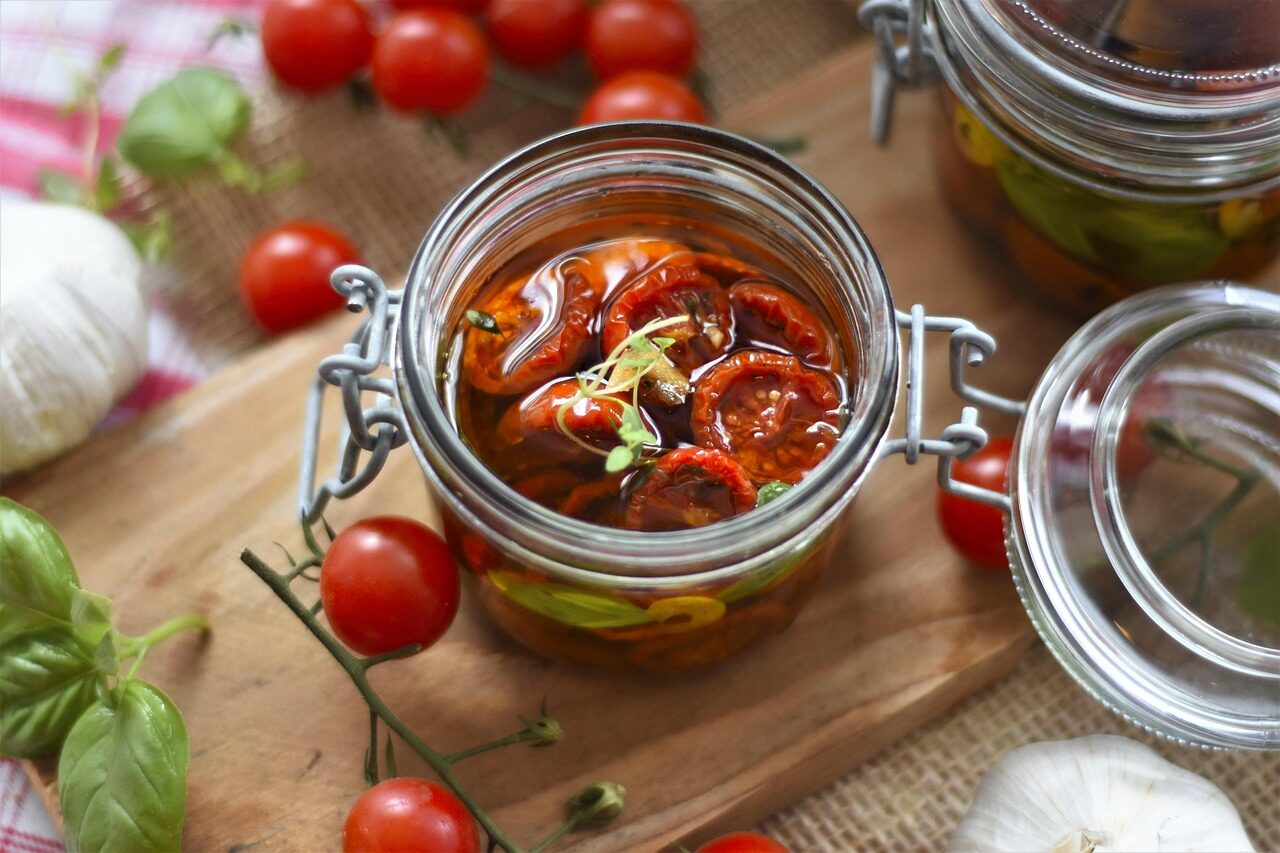
When you step into the world of canning, having the right tools can make all the difference. Imagine the satisfaction of pulling a jar of homemade strawberry jam off the shelf in winter, knowing you made it with your own hands. But before you dive into that sweet adventure, let’s talk about the equipment you’ll need. A good canner is your best friend here. Whether you choose a water bath canner or a pressure canner depends on what you’re preserving, but both are essential for safe canning. A sturdy pot with a lid, a rack to keep jars off the bottom, and a jar lifter to avoid burns are must-haves.
Don’t forget about jars! They come in all shapes and sizes, but make sure you’re using ones specifically designed for canning. Regular glass jars just won’t cut it. You want those sturdy, reusable jars that can withstand the heat and pressure of the canning process. And let’s not overlook the importance of lids. Fresh, new lids create a tight seal that keeps your food safe and delicious. Investing in good equipment not only makes the process smoother but also gives you peace of mind knowing you’re set up for success.
For those interested in mastering the art of home canning, it’s essential to follow best practices to ensure safety and quality. A great resource for this is the article available at Mama’s Cellar, which provides comprehensive guidelines and tips for successful canning. Whether you’re a beginner or looking to refine your skills, this article covers everything from selecting the right equipment to understanding proper preservation techniques.
Choosing the Right Foods to Can
Choosing what to can is like picking out your favorite ingredients for a cozy meal. The best part? You can preserve whatever fruits and vegetables make your heart sing! Seasonal produce is always a great choice. Think about those juicy peaches in summer or vibrant tomatoes in late summer. They’re bursting with flavor and perfect for canning. You’ll find that when you use fresh, ripe ingredients, your preserves will taste so much better.
But don’t feel limited to just fruits and veggies! You can also explore pickling cucumbers, making salsas, or even canning meats if you’re feeling adventurous. The key is to select foods that are high in acidity, like tomatoes or citrus fruits, as they are safer for water bath canning. If you’re unsure, start with something simple like apple sauce or berry preserves. These are forgiving recipes that will boost your confidence and fill your kitchen with delightful aromas.
Understanding the Basics of Food Preservation
Food preservation is an age-old practice that connects us to our roots. It’s about capturing the essence of a season and enjoying it long after the harvest is over. At its core, food preservation slows down spoilage by inhibiting the growth of bacteria, yeasts, and molds. This is where canning shines! By sealing food in jars and heating them to kill off any harmful microorganisms, you create a safe environment for your delicious creations.
The process may seem daunting at first, but it’s really about following a few simple steps. Start by preparing your ingredients — washing, peeling, chopping — whatever your recipe calls for. Then, it’s all about cooking them down to the right consistency before packing them into jars. The transformation from fresh produce to preserved goodness is truly magical! And remember, every time you pop open a jar, you’re not just enjoying food; you’re savoring memories of sunny days spent in the garden or bustling farmers’ markets.
Following Approved Recipes and Guidelines
When it comes to canning, following approved recipes is crucial for safety and success. It might be tempting to tweak a recipe here and there, but remember that preserving food is a science as much as it is an art. Approved recipes have been tested to ensure they create a safe product that won’t spoil or cause illness. So, stick to trusted sources like the USDA or your local extension office when you’re starting out.
You’ll find that many recipes are straightforward and easy to follow. They’ll guide you through each step, from preparing your ingredients to sealing those jars tight. Plus, there’s something comforting about knowing that generations before us have used these same recipes to create their own delicious preserves. So grab your favorite cookbook or search online for tried-and-true recipes, and let the adventure begin!
When it comes to preserving your favorite fruits and vegetables, understanding the best practices for home canning is essential for ensuring safety and quality. A great resource for this is an article that provides comprehensive guidelines and tips for successful canning. You can read more about these best practices by visiting this helpful link on home canning techniques. Whether you’re a beginner or an experienced canner, following these recommendations can make a significant difference in your results. For more information, check out the article here: home canning techniques.
Proper Sterilization and Sealing Techniques
Now that you’ve got your ingredients prepped and your jars ready, let’s talk about sterilization and sealing techniques. This step is vital for ensuring your canned goods stay fresh and safe to eat. Start by washing your jars in hot soapy water or running them through the dishwasher. Then, place them in a pot of boiling water for about 10 minutes to sterilize them completely.
Once your jars are sterilized, it’s time to fill them with your delicious concoction! Leave some headspace at the top — usually about half an inch — to allow for expansion during processing. After filling, wipe the rims of the jars with a clean cloth to remove any residue that could prevent a proper seal. Place the lids on top and screw on the bands until they’re fingertip-tight. This ensures that air can escape during processing while still creating a tight seal as they cool down.
Safe Handling and Storage of Canned Goods
After all that hard work, it’s important to handle and store your canned goods properly to keep them safe and delicious for months to come. Once your jars have cooled completely, check that the lids have sealed properly by pressing down in the center of each lid; if it doesn’t pop back up, you’re good to go! Store your jars in a cool, dark place — like a pantry or cupboard — away from direct sunlight and heat sources.
Labeling your jars is also a great idea! Write down what’s inside and the date you canned it so you can keep track of freshness. And remember, while home-canned goods can last for quite some time, it’s best to use them within a year for optimal flavor and quality. There’s nothing quite like opening a jar of summer goodness in the middle of winter!
Monitoring and Recognizing Signs of Spoilage
As much as we’d love every jar to be perfect forever, it’s important to keep an eye out for signs of spoilage. When you open a jar, take a moment to look at its contents. If you see any unusual colors or mold on top, it’s best to err on the side of caution and discard it. A bad smell is another red flag; trust your nose! If something doesn’t smell right, don’t take any chances.
Also, pay attention to the seal on your jars over time. If you notice that a lid has popped up or isn’t sealed tightly anymore, it’s best not to consume that jar. Remember, preserving food is all about safety first! By being vigilant and checking your canned goods regularly, you’ll ensure that every bite is as delicious as it should be.
Seeking Professional Advice and Resources
If you ever feel overwhelmed or unsure about any part of the canning process, don’t hesitate to seek out professional advice or resources! There are so many wonderful communities out there filled with fellow canners who are eager to share their knowledge and experiences. Local extension offices often offer classes or workshops where you can learn hands-on techniques from experts.
Online forums and social media groups are also fantastic places to connect with others who share your passion for preserving food. You’ll find tips, tricks, and even troubleshooting advice from seasoned canners who have been through it all before. Remember, you’re not alone on this journey! Embrace the learning process and enjoy every moment spent in the kitchen creating something special.
So why not take that leap? Gather your equipment, choose some fresh produce, and dive into the world of canning! You’ll be amazed at how satisfying it feels to create something delicious from scratch while filling your home with wonderful aromas. Plus, there’s nothing quite like sharing those homemade goodies with friends and family — it’s a gift from your heart to theirs! Happy canning!
Leave a Reply