

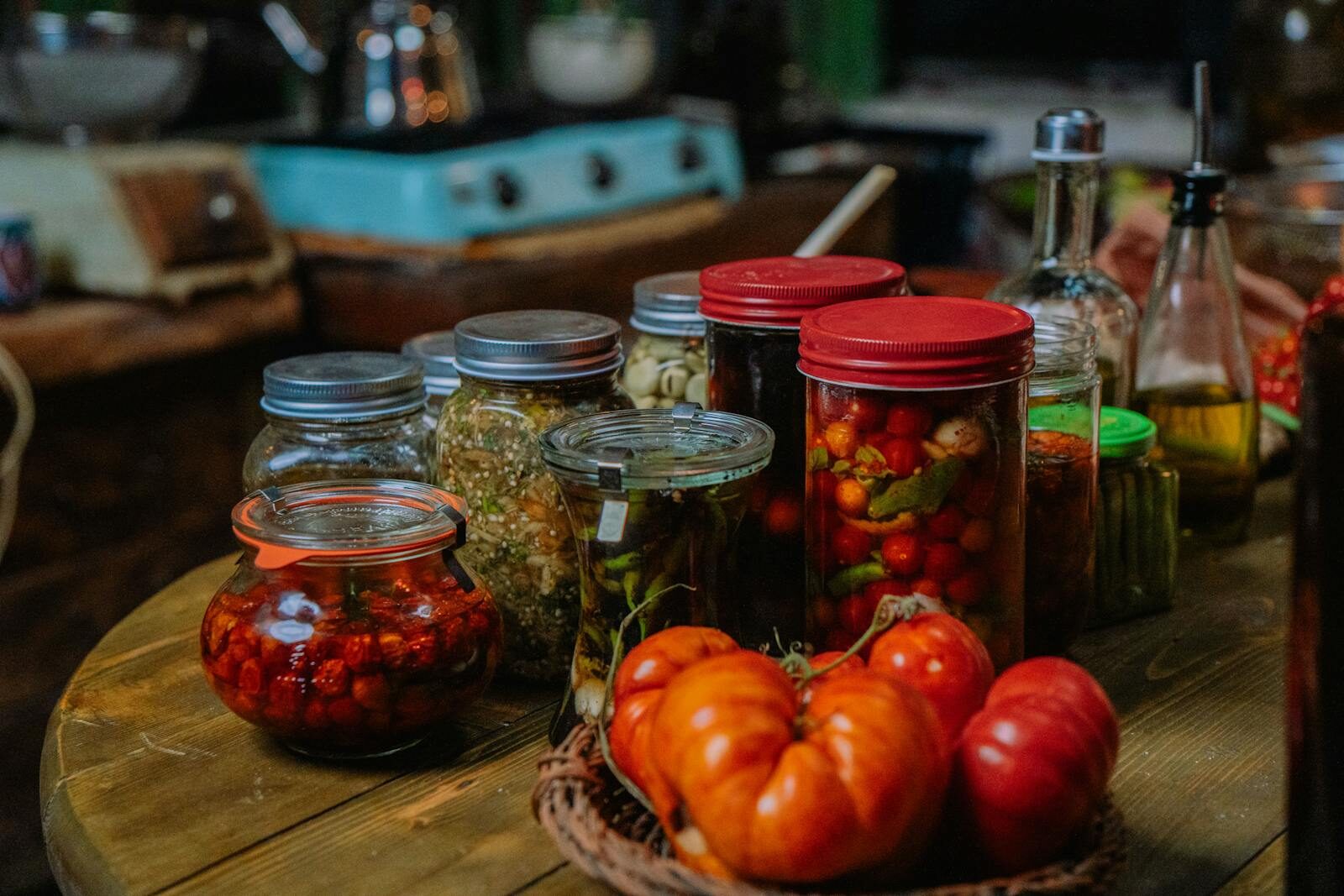
There’s something magical about the first whiff of a bubbling pot of fruit on the stove, isn’t there? It takes you back to childhood summers spent in your grandmother’s kitchen, where the air was thick with the sweet scent of strawberries and sugar. Home canning has a rich history that stretches back to the early 19th century when it began as a practical solution to preserve food for the long winter months. Back then, it was all about survival. People needed a way to store the bounty of their gardens and farms, ensuring they had enough to eat when fresh produce was scarce.
As time went on, canning evolved from a necessity into a beloved hobby. Families gathered in kitchens, sharing laughter and stories while they filled jars with vibrant fruits and vegetables. It became a way to connect with one another and with the seasons. Today, many of us still find joy in this tradition, not just for the delicious results but for the memories we create along the way. Whether you’re a seasoned pro or just starting out, there’s a sense of satisfaction that comes from preserving food with your own hands. It’s like bottling up a little bit of sunshine to enjoy all year round.
If you’re interested in home canning jars and their various uses, you might find this article on Brigham tea particularly enlightening. It explores the benefits and preparation of this herbal remedy, which can be conveniently stored in home canning jars for easy access and preservation. For more details, check out the article here: Brigham Tea.
Essential Tools and Equipment for Home Canning
Before you dive into the world of canning, let’s talk about the tools you’ll need. Don’t worry; you don’t need a fancy kitchen or expensive gadgets to get started. A few basic items will do just fine. First up is a good-quality canner or large pot with a lid. If you’re planning to do water bath canning, make sure it’s deep enough to cover your jars by at least an inch of water.
Next, you’ll want some canning jars. These come in various sizes, so think about what you’ll be preserving. Pint jars are great for jams, while quart jars work well for pickles or sauces. Don’t forget the lids and bands! They’re essential for sealing your jars properly. A jar lifter is also a must-have; it helps you safely remove hot jars from boiling water without burning your fingers. And if you can get your hands on a funnel, it’ll make filling those jars so much easier and less messy.
Choosing the Right Ingredients for Canning: Fruits, Vegetables, and More
Now that you have your tools ready, let’s talk about ingredients. The best part about canning is that you can use whatever is in season or what you have on hand. Fresh fruits and vegetables are ideal, so visit your local farmers’ market or even your backyard garden if you have one. Think about vibrant strawberries, juicy peaches, or crisp cucumbers — each one brings its own unique flavor and color to your jars.
When selecting produce, look for items that are ripe but not overripe. You want them to be firm and full of flavor. If you’re canning tomatoes, for example, choose ones that are deep red and fragrant. And don’t forget about herbs and spices! They can elevate your preserves to a whole new level. A sprig of fresh basil or a sprinkle of cinnamon can transform a simple jar of tomatoes or jam into something truly special.
The Science of Canning: Understanding pH Levels and Safety Measures
Canning might seem like an art form, but there’s a bit of science behind it too! Understanding pH levels is crucial for safe canning. Most fruits are naturally acidic, which makes them perfect for water bath canning. However, low-acid foods like vegetables and meats require pressure canning to ensure they’re safe to eat later on. This is because harmful bacteria thrive in low-acid environments.
To keep things safe, always follow tested recipes from reliable sources. They’ll guide you on how to adjust acidity levels if needed, often by adding lemon juice or vinegar. It might sound intimidating at first, but once you get the hang of it, you’ll feel more confident in your canning adventures. Remember, safety is key! Always check your jars for proper seals after processing and store them in a cool, dark place.
Home canning jars are essential for preserving seasonal fruits and vegetables, allowing you to enjoy homemade jams and pickles year-round. If you’re looking for inspiration on how to make the most of your canning jars, you might find this article on various recipes helpful. It provides a range of creative ideas that can elevate your canning game. Check out the recipes available at this link for some delicious options to try with your jars.
Step-by-Step Guide to the Canning Process: Sterilization, Filling, and Sealing
Let’s get into the nitty-gritty of the canning process! Start by washing your jars and lids in hot soapy water. Then, sterilize them by placing them in boiling water for about 10 minutes. This step is crucial because it helps prevent any unwanted bacteria from spoiling your hard work.
Once your jars are ready, it’s time to fill them! Use your funnel to pour in your prepared ingredients, leaving about half an inch of headspace at the top. This space is important for sealing and allows for expansion during processing. Wipe the rims of the jars with a clean cloth to remove any residue before placing the lids on top. Finally, screw on the bands until they’re fingertip-tight — not too loose and not too tight!
Home canning jars are essential for preserving seasonal fruits and vegetables, allowing you to enjoy homemade goodness year-round. If you’re interested in learning more about the various types of jars and their uses, you might find this article on canning techniques helpful. It provides valuable insights into the best practices for using home canning jars effectively, ensuring that your preserves are safe and delicious.
Creative Canning Recipes: Jams, Pickles, and Salsas
Now comes the fun part — creating delicious preserves! Let’s start with a classic: strawberry jam. Simply mash fresh strawberries with sugar and lemon juice, then cook until it thickens. Pour it into your sterilized jars and seal them up tight! The bright red color and sweet aroma will have everyone eagerly awaiting breakfast.
If you’re feeling adventurous, why not try pickling? Cucumbers are perfect for this! Slice them up and soak them in a mixture of vinegar, water, sugar, and spices like dill or garlic. The crunchiness combined with tangy flavors makes for an irresistible snack or sandwich topping. And don’t forget about salsas! Fresh tomatoes mixed with onions, cilantro, and lime juice create a zesty treat that’s perfect for summer gatherings.
Storing and Enjoying Home-Canned Goods: Shelf Life and Best Practices
Once your jars are sealed and cooled, it’s time to store them! Keep them in a cool, dark place like a pantry or cupboard. Properly canned goods can last for up to a year or more if stored correctly. Just be sure to label each jar with the date and contents so you know what you have on hand.
When it comes time to enjoy your homemade treasures, there’s nothing quite like opening a jar of summer sunshine in the middle of winter. Spread that strawberry jam on warm toast or add pickles to your favorite sandwich — each bite will remind you of those sunny days spent in the kitchen. And if you ever find yourself with too many jars (which is a lovely problem to have), consider sharing with friends or family! There’s something heartwarming about gifting homemade goodies.
Tips for Success: Troubleshooting Common Canning Problems and Mistakes
Even seasoned canners encounter hiccups along the way — don’t let that discourage you! If you notice that some jars didn’t seal properly after processing, don’t panic! You can either reprocess them within 24 hours or store them in the fridge and use them right away.
Another common issue is cloudy liquid in your jars after processing. This often happens when fruits release too much juice during cooking or if there’s residue on the jar rims before sealing. Just remember that as long as they sealed properly and taste good, they’re still safe to eat!
Canning is all about learning as you go. Embrace any mistakes as part of the journey! Each batch will teach you something new, whether it’s adjusting cooking times or experimenting with flavors. So roll up your sleeves and dive into this wonderful world of preserving food — I promise you’ll find joy in every jar!
So why not gather some friends or family this weekend? Pick out some fresh produce together and start canning! You’ll create delicious memories along with those beautiful jars filled with love and flavor. Happy canning!
Leave a Reply