

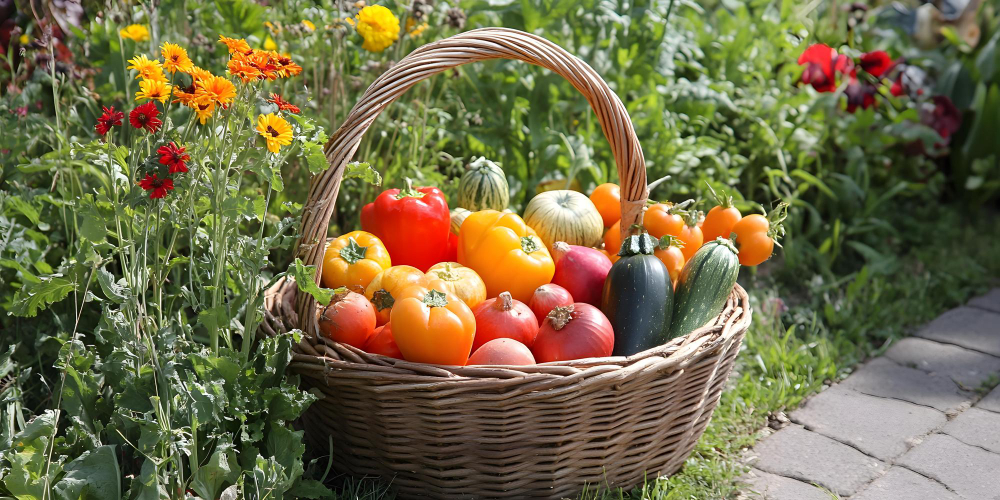
There’s something magical about the first bite of a homemade preserve. The way the sweet, tangy flavor dances on your tongue can transport you back to sun-drenched summer days spent in the kitchen with loved ones. Maybe you remember your grandmother stirring a bubbling pot of fruit on the stove, the air thick with the scent of ripe peaches or tart cherries. Home canning is more than just a way to store food; it’s a beautiful tradition that connects us to our roots and allows us to savor the seasons long after they’ve passed.
If you’ve ever thought about trying your hand at canning, let me assure you: it’s easier than it seems! With a little patience and practice, you can create jars of sunshine that will brighten up even the dreariest winter day. Plus, there’s a special satisfaction that comes from feeding the people you love with something you made yourself. So, roll up your sleeves, and let’s dive into the wonderful world of home canning together!
If you’re interested in enhancing your home canning skills, you might find this related article on cooking together quite helpful. It provides a variety of recipes that can complement your canning efforts, ensuring you have delicious meals ready to enjoy throughout the year. Check it out here: Recipes for Cooking Together.
Choosing the Right Equipment for Home Canning
Before you start filling jars with your favorite fruits and vegetables, it’s important to gather the right tools. Don’t worry; you don’t need a fancy kitchen full of gadgets. A few essential items will do the trick! First and foremost, you’ll need canning jars. These come in various sizes, but pint and quart jars are great for beginners. Make sure to get new lids for each batch; they’re designed for one-time use to ensure a proper seal.
Next, consider investing in a water bath canner or a pressure canner, depending on what you plan to preserve. A water bath canner is perfect for high-acid foods like fruits, jams, and pickles. It’s essentially a large pot with a rack that keeps jars off the bottom. If you’re looking to can low-acid foods like vegetables or meats, a pressure canner is necessary for safety. Don’t forget about other handy tools like jar lifters, funnel, and a magnetic lid lifter — they make the process smoother and safer.
Selecting and Preparing Fruits and Vegetables for Canning
Choosing the right produce is key to making delicious preserves. Freshness is everything! Visit your local farmer’s market or grocery store and look for fruits and vegetables that are in season. Think vibrant strawberries, juicy tomatoes, or crisp cucumbers. The colors should be bright, and the texture firm. Avoid anything that looks bruised or overripe; those won’t hold up well in jars.
Once you’ve picked your produce, it’s time to prepare them for canning. Start by washing everything thoroughly under cool running water. For fruits, remove any stems or pits as needed, and chop them into manageable pieces. Vegetables may require peeling or trimming, depending on what you’re working with. As you chop and slice, take a moment to appreciate the colors and smells filling your kitchen — it’s all part of the joy of canning!
Now that you have your equipment and produce ready, let’s talk about the canning process itself. There are two main methods: water bath canning and pressure canning. Water bath canning is perfect for high-acid foods like fruits and jams. The process involves submerging jars in boiling water for a specific amount of time to create a vacuum seal as they cool.
On the other hand, pressure canning is necessary for low-acid foods like vegetables and meats. This method uses steam under pressure to reach higher temperatures than boiling water alone can achieve, ensuring that harmful bacteria are destroyed. It might sound intimidating at first, but once you get the hang of it, you’ll feel like a pro! Just remember to follow recipes closely, as timing and pressure levels are crucial for safety.
Safety Tips for Home Canning
Safety should always be your top priority when canning at home. The last thing you want is to spoil your hard work or put anyone at risk! Start by ensuring that all your equipment is clean and sterilized before use. Wash your jars in hot soapy water or run them through the dishwasher. It’s also wise to check for any cracks or chips in your jars; damaged jars can lead to leaks or breakage during processing.
When it comes to processing times and methods, always refer to trusted recipes from reliable sources. Each type of food has specific guidelines for safe canning, so don’t skip any steps! After sealing your jars, let them cool completely before checking the seals. A properly sealed jar will have a concave lid that doesn’t pop when pressed in the center. If you’re ever unsure about a jar’s safety, it’s better to err on the side of caution and discard it.
If you’re interested in enhancing your home canning skills, you might find valuable insights in a related article that covers various techniques and tips for successful preservation. This resource not only delves into the essentials of canning but also explores advanced methods to ensure your fruits and vegetables retain their flavor and nutrients. For more information, you can check out the article here: home canning techniques.
Proper Storage and Labeling of Canned Goods
Once your jars are filled with deliciousness and sealed tight, it’s time to store them properly! Find a cool, dark place in your home — like a pantry or cupboard — where they won’t be exposed to direct sunlight or extreme temperatures. A consistent temperature helps maintain the quality of your preserves over time.
Labeling your jars is also essential! Use masking tape or stickers to write down what’s inside and the date it was canned. This way, you’ll know exactly what you have on hand when it’s time to whip up a meal or treat yourself to a sweet snack. Plus, it adds a personal touch that makes sharing your homemade goodies even more special.
Troubleshooting Common Canning Problems
Even seasoned canners encounter hiccups along the way, so don’t be discouraged if things don’t go perfectly! One common issue is jars not sealing properly. If you notice that a lid pops back up after cooling, it means there wasn’t a proper seal. This could be due to food particles on the rim or not enough headspace in the jar. If this happens, simply refrigerate that jar and use it within a few weeks.
Another issue might be cloudiness in your preserves or floating fruit. This can happen if air bubbles were trapped during packing or if there was too much sugar in your recipe. While it may not look perfect, as long as everything was canned safely and sealed correctly, it should still taste great! Remember, every batch is a learning experience — embrace the journey!
Creative Recipes for Canning Fruits and Vegetables
Now comes the fun part: creating delicious recipes! Let’s start with a classic strawberry jam that captures summer in every bite. You’ll need fresh strawberries, sugar, lemon juice, and pectin. Simply mash the strawberries with sugar and lemon juice, then cook until thickened before pouring into sterilized jars. The smell alone will have everyone flocking to your kitchen!
For something savory, try pickling cucumbers for crunchy dill pickles! Slice fresh cucumbers and pack them tightly into jars with garlic cloves, dill sprigs, and peppercorns. Pour over a hot brine made from vinegar, water, salt, and sugar before sealing them up tight. These pickles are perfect for sandwiches or as a zesty snack.
As you explore different recipes, don’t hesitate to get creative! Experiment with flavors by adding spices or herbs that speak to you. The beauty of home canning is that it allows you to tailor each batch to your taste while preserving memories along the way.
So why not gather some friends or family members for a canning day? Share stories while chopping fruits and vegetables together; laughter makes everything taste better! You’ll create not just delicious preserves but also cherished memories that will last long after the last jar is opened.
Happy canning!
Leave a Reply