

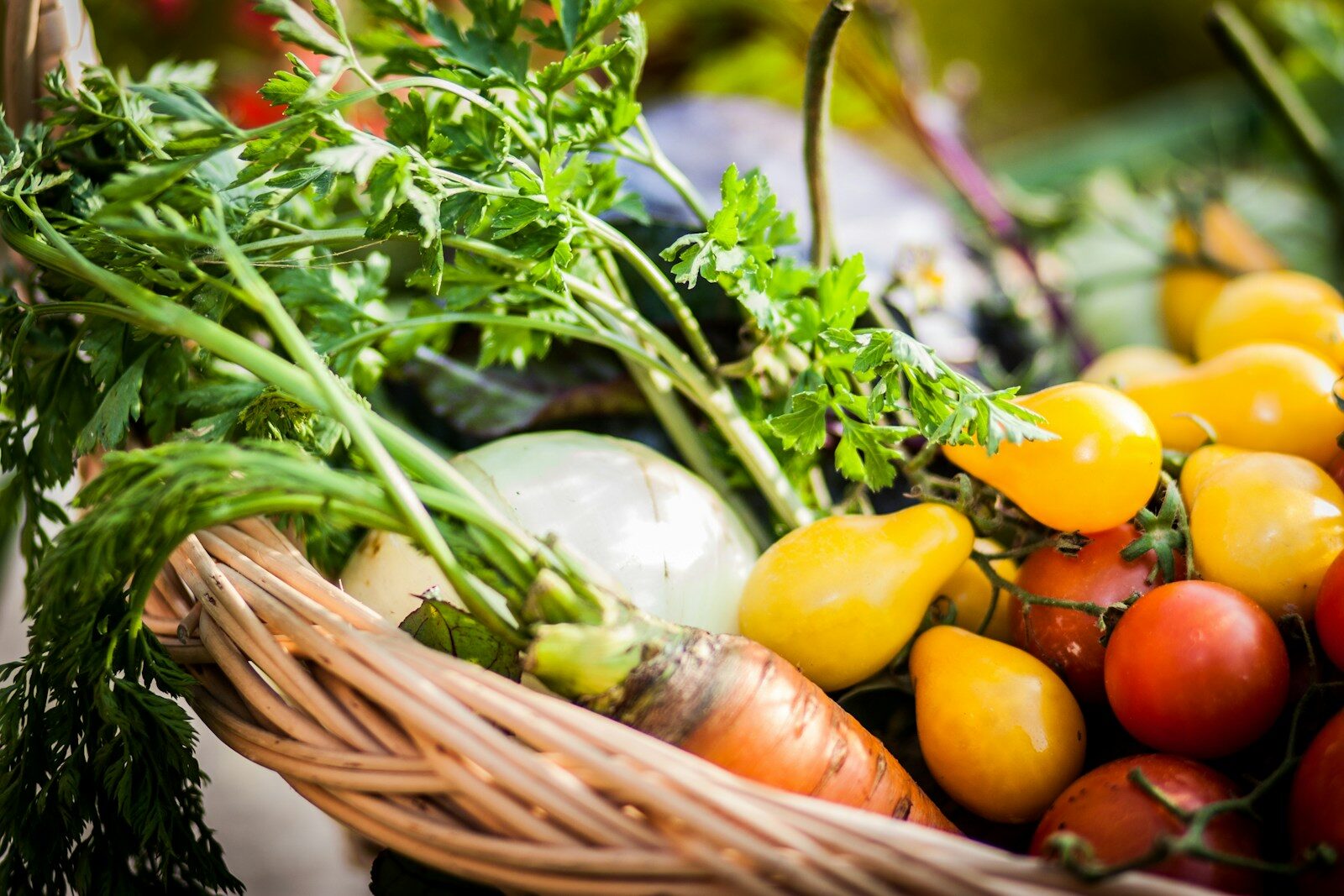
There’s something truly magical about the process of home canning. It’s not just about preserving food; it’s about capturing the essence of a season, a moment, or a memory in a jar. Imagine the sweet scent of ripe peaches wafting through your kitchen as you prepare to turn them into luscious preserves. Or the vibrant colors of summer tomatoes, glistening like jewels, waiting to be transformed into a rich sauce. Home canning is a way to bring those flavors into your home all year round, and it’s easier than you might think.
At its core, canning is about sealing food in jars to keep it safe and delicious for months, even years. The process involves heating the jars to kill off any bacteria, yeasts, or molds that could spoil your food. Once sealed, these jars create a vacuum that keeps your goodies fresh. It’s a simple yet satisfying way to enjoy the fruits of your labor, whether you’re growing your own produce or picking up fresh finds from the local market. And let’s be honest: there’s nothing quite like the feeling of opening a jar of homemade goodness in the middle of winter and being transported back to sunny days.
For those interested in home canning preservation methods, a related article that explores the benefits and uses of Brigham tea can be found at this link: Brigham Tea. This article provides insights into how this herbal remedy can be preserved and incorporated into your home canning practices, enhancing both the flavor and nutritional value of your preserved goods.
Choosing the Right Equipment for Home Canning
Before you dive into the world of canning, it’s important to gather the right tools. Don’t worry; you don’t need a fancy kitchen full of gadgets. A few essential items will set you up for success. First and foremost, you’ll need canning jars. These come in various sizes, but pint and quart jars are the most common for beginners. Look for jars with two-piece lids that include a flat metal disc and a screw band. They’re easy to use and ensure a tight seal.
Next on your list should be a large pot or canner. If you’re planning to do water bath canning, a deep pot with a lid will work just fine. Just make sure it’s tall enough to hold your jars and allow for boiling water to cover them by at least an inch. A jar lifter is also a must-have; it helps you safely lift hot jars out of boiling water without burning your fingers. Other handy tools include a funnel for filling jars without spills, a bubble remover to eliminate air pockets, and a kitchen timer to keep track of processing times. With these basics in hand, you’ll be ready to embark on your canning adventure.
Selecting and Preparing Produce for Canning
Choosing the right produce is key to successful canning. Freshness is everything! When selecting fruits and vegetables, look for items that are in season and at their peak ripeness. Think about those juicy strawberries in June or the crisp green beans in late summer. Not only do they taste better, but they also have the right texture for preserving. If you can, visit local farmers’ markets or pick-your-own farms; there’s something special about connecting with the source of your food.
Once you’ve gathered your produce, it’s time to prepare it for canning. Start by washing everything thoroughly under cool running water to remove any dirt or pesticides. For fruits, you may need to peel, pit, or slice them depending on your recipe. Vegetables often require blanching — a quick dip in boiling water followed by an ice bath — to preserve their color and texture. This step is crucial as it helps maintain that vibrant green hue in your beans or the bright red of your tomatoes. As you chop and prep, take a moment to appreciate the colors and smells filling your kitchen; it’s all part of the joy of canning.
Understanding the Different Canning Methods
Now that you have your equipment and produce ready, let’s talk about the different canning methods. The two most common techniques are water bath canning and pressure canning. Water bath canning is perfect for high-acid foods like fruits, jams, and pickles. This method involves submerging jars in boiling water for a specific amount of time to ensure they’re sealed properly.
On the other hand, pressure canning is necessary for low-acid foods like vegetables and meats. This method uses steam under pressure to reach higher temperatures than boiling water alone can achieve, effectively killing off harmful bacteria. It might sound intimidating at first, but once you get the hang of it, you’ll feel like a pro! Each method has its own set of guidelines regarding processing times and temperatures, so be sure to follow trusted recipes closely.
Home canning is a wonderful way to preserve seasonal produce, allowing you to enjoy the flavors of summer all year round. If you’re looking for detailed guidance on various preservation methods, you might find this article on home canning techniques particularly helpful. It covers everything from basic recipes to advanced tips for ensuring food safety. For more information, you can check out the article here. Embracing these methods not only enhances your culinary skills but also promotes sustainability by reducing food waste.
Safety Precautions for Home Canning
Safety is paramount when it comes to home canning. The last thing you want is to put in all that hard work only to end up with spoiled food or worse, foodborne illness. Always start with clean equipment and work in a tidy space. Make sure your jars are free from cracks or chips; even the smallest imperfection can lead to a failed seal.
It’s also essential to follow tested recipes from reliable sources. These recipes have been developed with safety in mind and will guide you on proper processing times and methods for different foods. If you’re ever unsure about whether something is safe to eat after canning, trust your instincts: if it looks or smells off, don’t take any chances! Remember, canning should be fun and rewarding — not stressful or risky.
Home canning is an excellent way to preserve seasonal fruits and vegetables, allowing you to enjoy their flavors year-round. If you’re looking for detailed guidance on various preservation methods, you might find this article on home canning techniques particularly helpful. It covers everything from sterilization to the best practices for sealing jars, ensuring your canned goods remain safe and delicious. For more insights, check out this informative piece on home canning preservation methods.
Tips for Successful Home Canning
As you embark on your canning journey, here are some tips to help ensure success every step of the way. First, don’t rush! Take your time during each stage of the process — from selecting produce to sealing jars — so that you can enjoy the experience fully. Canning is as much about the journey as it is about the end product.
Another great tip is to keep notes on what works best for you. Jot down any adjustments you make to recipes or processing times so that you can replicate your successes later on. And don’t hesitate to experiment! Once you feel comfortable with basic recipes, try adding spices or herbs to create unique flavors that reflect your personal taste. Lastly, remember that practice makes perfect! The more you can, the more confident you’ll become.
Storing and Using Canned Goods
Once your jars are filled and sealed, it’s time to store them properly so they stay fresh for as long as possible. Find a cool, dark place like a pantry or cellar where temperatures remain stable — ideally between 50°F and 70°F (10°C – 21°C). Avoid areas with direct sunlight or extreme temperature fluctuations; these conditions can compromise seals and spoilage.
When it comes time to use your canned goods, take a moment to appreciate all that hard work! Open a jar of homemade salsa on taco night or spread some peach jam on warm toast for breakfast. The flavors will transport you back to those sunny days spent picking fruit or tending to your garden. And don’t forget: sharing is caring! Gift some jars to friends or family; they’ll appreciate the love and effort that went into each one.
Recipes for Canning Fruits, Vegetables, and Jams
Now that you’re equipped with knowledge and confidence, let’s dive into some delicious recipes! For beginners, I recommend starting with classic fruit preserves like strawberry jam or peach preserves. Simply combine equal parts fruit and sugar in a pot, add some lemon juice for acidity, and cook until thickened before pouring into sterilized jars.
If vegetables are more your style, try pickling cucumbers for crunchy dill pickles! Slice them up and soak them in a mixture of vinegar, water, salt, garlic, and dill before processing them in jars using the water bath method.
For something unique, consider making tomato sauce from fresh summer tomatoes! Cook them down with onions, garlic, herbs, and spices until thickened before canning in sterilized jars.
Whatever recipe you choose, remember that each jar holds not just food but memories waiting to be made! So roll up those sleeves and get started — I promise you won’t regret it! Happy canning!
Leave a Reply