

There’s something truly magical about the process of home canning. It’s not just about preserving food; it’s about capturing the essence of a season, a moment, or a memory in a jar. Picture this: the sun is shining, and you’re surrounded by baskets of ripe tomatoes, juicy peaches, or vibrant berries. The air is filled with their sweet, tangy aroma, and you can’t help but feel a sense of excitement. You know that with a little time and care, you can transform these fresh treasures into something that will bring joy long after the season has passed.
Home canning is a beautiful blend of tradition and creativity. It connects us to our roots, reminding us of simpler times when families gathered in kitchens to preserve the harvest. It’s a way to share love and nourishment with those we care about. Whether you’re making jams, pickles, or sauces, each jar tells a story. And the best part? You get to enjoy the fruits of your labor all year round. So, if you’ve ever thought about diving into the world of canning, now is the perfect time to start!
If you’re interested in home canning equipment, you might find it helpful to explore related articles that discuss recipes and techniques for cooking together. One such article is available at Recipes for Cooking Together, which offers a variety of ideas that can complement your canning efforts and enhance your culinary skills.
Basic Equipment Needed for Home Canning
Before you dive into the delightful world of canning, let’s talk about the essentials you’ll need. Don’t worry; you don’t need a fancy kitchen or a ton of gadgets to get started. A few basic pieces of equipment will set you on the right path. First and foremost, you’ll need canning jars. These come in various sizes, but pint and quart jars are the most common for beginners. They’re sturdy and perfect for everything from jams to pickles.
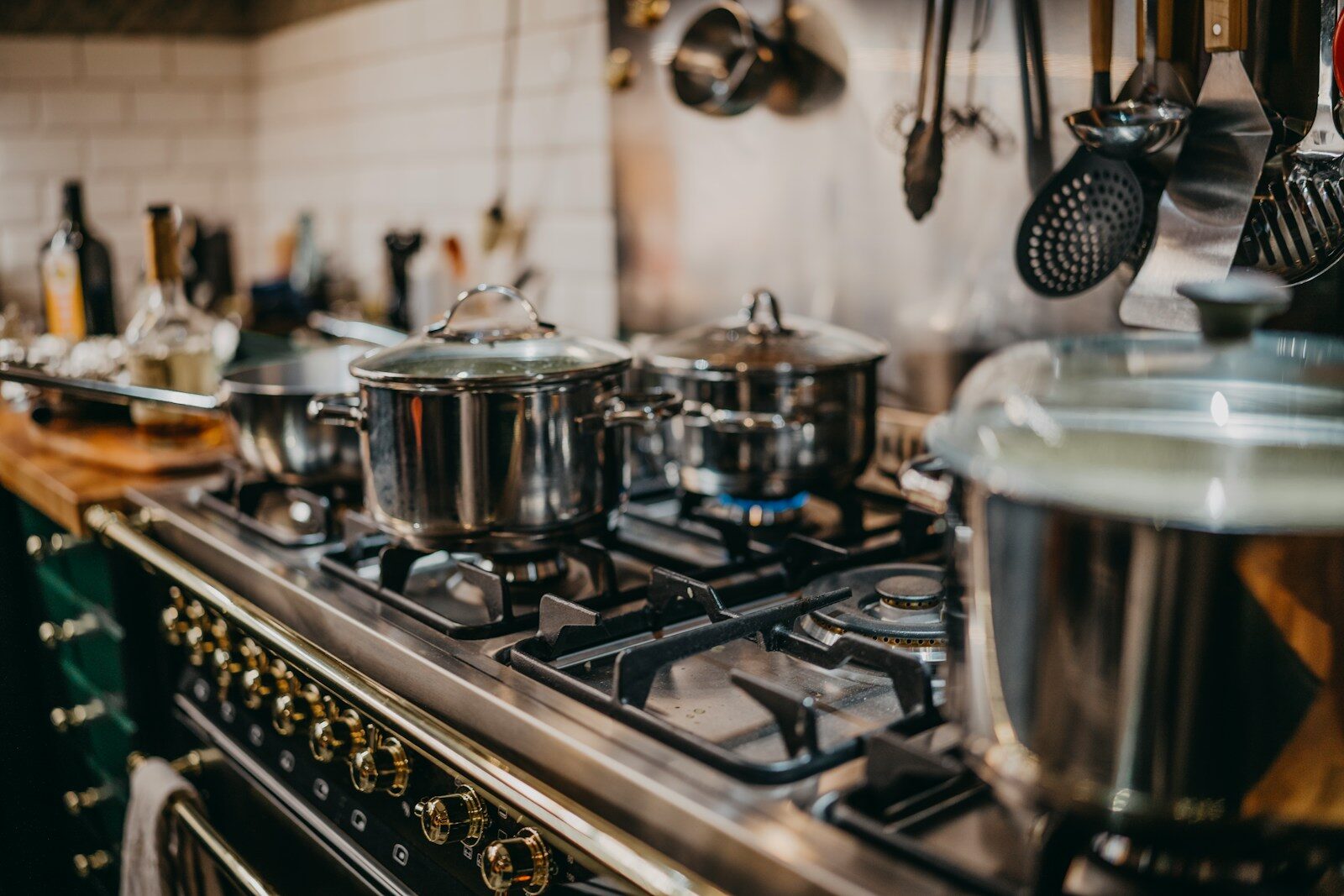
Next up is a canning pot or water bath canner. This is where the magic happens! A large pot with a lid will work just fine for water bath canning, but if you plan to do a lot of preserving, investing in a dedicated canner might be worth it. You’ll also need a jar lifter — this handy tool helps you safely lift hot jars out of boiling water without burning your fingers. A funnel is another must-have; it makes filling jars mess-free and ensures that your preserves stay neat and tidy.
Choosing the Right Canning Jars
When it comes to choosing canning jars, it’s all about quality and purpose. You’ll want to look for jars specifically designed for canning, as they are made to withstand high temperatures and create a proper seal. Mason jars are a popular choice and come in various sizes, from tiny half-pints perfect for jams to larger quarts for sauces or whole fruits.
As you browse through the options, pay attention to the lids as well. Most jars come with two-piece lids: a flat lid and a metal band. The flat lid creates the seal while the band holds it in place during processing. It’s important to use new lids each time you can to ensure a proper seal. Reusing old lids can lead to spoilage, which is definitely not what we want after all that hard work!
Essential Canning Tools and Utensils
In addition to jars and pots, there are a few other tools that will make your canning experience smoother and more enjoyable. A magnetic lid lifter is a small but mighty tool that helps you grab those hot lids without burning your fingers. It’s one of those little things that makes a big difference! A bubble remover is also handy; it helps release any air bubbles trapped in your jars before sealing them.
Don’t forget about measuring cups and spoons! Accurate measurements are key to successful canning, especially when it comes to recipes that require precise amounts of sugar or acid. A good kitchen scale can also be beneficial if you’re working with larger quantities of produce. And lastly, keep a clean kitchen towel nearby for quick clean-ups — trust me, things can get sticky!
Now that you have your equipment ready, let’s talk about the two main methods of canning: pressure canning and water bath canning. Each method has its own purpose and is suited for different types of foods. Water bath canning is perfect for high-acid foods like fruits, jams, jellies, and pickles. This method involves submerging jars in boiling water for a specific amount of time to create a seal.
On the other hand, pressure canning is necessary for low-acid foods like vegetables, meats, and poultry. This method uses steam under pressure to reach higher temperatures than boiling water alone can achieve, ensuring that harmful bacteria are destroyed. If you plan on preserving low-acid foods, investing in a pressure canner is essential for safety.
If you’re looking to enhance your home canning experience, it’s essential to invest in quality equipment that can make the process smoother and more efficient. For a comprehensive selection of canning tools and supplies, you might find this article on home canning equipment particularly useful, as it provides insights into the best products available on the market today. Whether you’re a beginner or an experienced canner, having the right tools can significantly impact the quality of your preserved goods.
Safety Precautions for Home Canning
Safety should always be your top priority when it comes to home canning. It might seem daunting at first, but with some simple precautions, you can ensure that your preserves are safe to eat. First and foremost, always follow tested recipes from reliable sources. These recipes have been developed with safety in mind and will guide you through the process step by step.
Make sure your workspace is clean and organized before you start. Wash your jars and lids in hot soapy water and rinse them well. If you’re using a pressure canner, familiarize yourself with its instructions before use — each model may have specific guidelines. And remember to check your seals after processing! A properly sealed jar will have a concave lid that doesn’t pop when pressed in the center.
Tips for Successful Home Canning
As you embark on your canning journey, here are some tips to help you succeed. First, don’t rush the process! Take your time to enjoy each step — from selecting fresh produce at the market to watching those jars fill up with colorful goodness. Canning is as much about the experience as it is about the end result.
Another great tip is to label your jars with the date and contents before storing them away. This way, you’ll always know what you have on hand and when it was made. And don’t be afraid to experiment! Once you get comfortable with basic recipes, try adding your own twist — maybe a hint of cinnamon in your apple butter or some fresh herbs in your pickles.
Conclusion and Resources for Further Learning
Home canning is more than just a way to preserve food; it’s an opportunity to create lasting memories and share love through delicious treats. As you gather your supplies and dive into this rewarding hobby, remember that every jar holds a piece of your heart and hard work.
If you’re looking for more guidance or inspiration, consider joining a local canning class or exploring online resources like blogs or YouTube channels dedicated to preserving food. There’s a whole community out there ready to support you on this journey! So grab those jars, roll up your sleeves, and let’s get canning! You’ve got this!
Leave a Reply